Optimization of Sugar Crystallization with Viscosity Reducer Technology
Efficiency in the crystallization process significantly affects sucrose recovery and energy consumption in the sugar industry. This stage requires special attention because it directly impacts the plant’s profit margin.
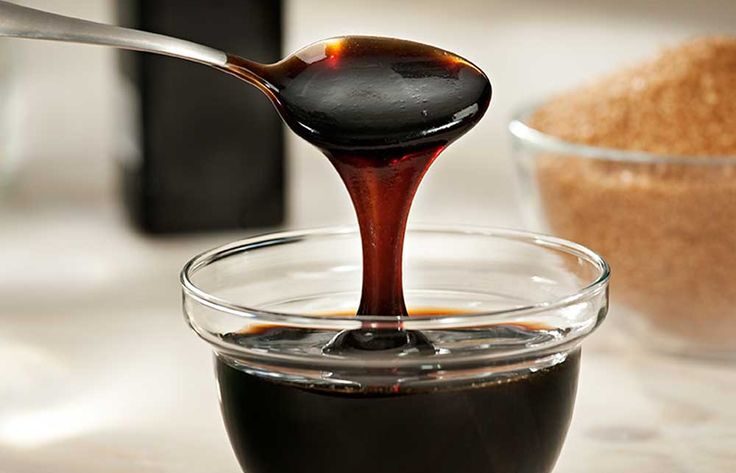
One of the main challenges in this process is the high viscosity of syrup, particularly under high brix conditions and declining purity levels. Excessive viscosity can hinder mass transfer, slow crystal growth, and increase the risk of fine crystal formation (false grain).
Through a science- and data-driven approach, the use of viscosity reducers has become a strategic solution to improve overall crystallization performance.
Why High Viscosity Causes Problems in the Crystallization Process
During the evaporation and vacuum pan stages, the concentration of dissolved solids increases significantly. The system becomes highly complex due to the presence of sucrose, reducing sugars, dextran, and various organic non-sugar compounds.
This condition leads to several operational challenges, including:
- Poor circulation inside the vacuum pan
- Reduced heat transfer efficiency
- Unstable supersaturation control
- Non-uniform crystal growth
- Longer boiling time
At an industrial scale, the impact becomes more pronounced. Steam consumption increases, throughput decreases, and sugar losses in molasses rise. Therefore, viscosity is not merely a technical parameter it is a critical factor that directly affects plant productivity and profitability.
What Is a Viscosity Reducer and How Does It Work?
A viscosity reducer is a chemical formulation designed to lower the viscosity of concentrated sugar solutions without interfering with the crystallization mechanism.
In simple terms, it works by modifying molecular interactions within the solution, reducing flow resistance, and enhancing sucrose mobility toward the crystal surface. With lower viscosity, the crystallization process becomes more controlled, stable, and efficient.
Strategic Benefits of Viscosity Reducer Application
The application of a viscosity reducer provides measurable technical and economic benefits for sugar mills, including:
- Improved Mass Transfer Efficiency
Sucrose diffusion toward the crystal surface becomes faster, promoting more uniform crystal growth.
- Shorter Boiling Time
Improved circulation inside the vacuum pan helps achieve the target crystal size more quickly.
- Reduced False Grain Formation
More stable supersaturation control minimizes the formation of unwanted fine crystals.
- Lower Sugar Content in Molasses
Sucrose recovery improves, and sugar losses can be reduced.
Direct Impact on Plant Operations
The use of a viscosity reducer is part of a broader process optimization strategy, not merely the addition of a chemical. Measurable operational improvements may include:
- Reduced energy consumption per ton of sugar
- Increased boiling capacity per cycle
- Improved operational stability at high brix massecuite
- More consistent crystal quality
This solution becomes increasingly important when processing raw materials with high impurity levels or when dextran formation occurs due to delays in cane milling.
A Data-Driven Approach for Measurable Results
To achieve optimal results, viscosity reducer application should follow a systematic technical approach, including:
- Evaluation of actual process conditions
- Laboratory jar test simulations
- Controlled field trials
- Monitoring key parameters (viscosity, crystal size, boiling time, molasses purity)
This data-driven methodology ensures that each dosage delivers measurable added value to the plant.
If you would like to discuss how viscosity reducer technology can be tailored to your plant conditions, please feel free to contact:
📧 muhammad.hisyam@acmechem.co.id
Our technical team is ready to support you with evaluation, trials, and data driven recommendations.